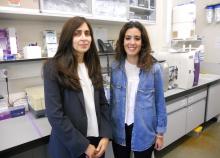
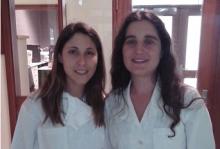
Ana Sílvia Pires-Luís 1, 2 #, Márcia Vieira-Coimbra 1, 2 #, Filipa Quintela Vieira 1,3, Pedro Costa-Pinheiro 1, Rui Silva-Santos 1, Paula C Dias 2, Luís Antunes 4, Francisco Lobo 5, Jorge Oliveira 5, Céline S Gonçalves 6,7, Bruno M Costa 6,7, Rui Henrique 1,2,8 *, Carmen Jerónimo 1,8 *
Os tumores renais são um grupo heterogéneo de neoplasias do ponto de vista genético, epigenético, morfológico e clínico. A utilização de meios imagiológicos (ecografia, TAC), bem como a biópsia do tumor renal tem limitações no que concerne à distinção entre tumores benignos e malignos, em especial na distinção entre oncocitoma (benigno) e carcinoma de células renais de tipo cromófobo (maligno).
Cancer Research UK has launched its Grand Challenge: «the most ambitious cancer research grants in the world», worth up to £20 million (about €27 million) each. They’re intended to catalyse a revolution in how we prevent, diagnose, and treat cancer by bringing together the brightest minds around the globe, providing the freedom to undertake innovative, game-changing research.
Cancer Research UK has launched its Grand Challenge: «the most ambitious cancer research grants in the world», worth up to £20 million (about €27 million) each. They’re intended to catalyse a revolution in how we prevent, diagnose, and treat cancer by bringing together the brightest minds around the globe, providing the freedom to undertake innovative, game-changing research.
Interview with Oliver Smithies of the University of North Carolina at Chapel Hill, who was awarded the 2007 Nobel Prize in Physiology or Medicine for pioneering homologous recombination of transgenic DNA. From the series «Conversations with Giants in Medicine», at «The Journal of Clinical Investigation».
Interview with Oliver Smithies of the University of North Carolina at Chapel Hill, who was awarded the 2007 Nobel Prize in Physiology or Medicine for pioneering homologous recombination of transgenic DNA. From the series «Conversations with Giants in Medicine», at «The Journal of Clinical Investigation».
Investigadores do Laboratório de Engenharia de Processos, Ambiente, Biotecnologia e Energia (LEPABE) da Universidade do Porto desenvolvem com sucesso um nanossistema de transporte de metabolitos da Vitamina D3 para terapia antitumoral. Para além do seu clássico papel na regulação metabolismo do cálcio e da saúde óssea, nas últimas décadas vários estudos têm provado o seu grande potencial como agente antitumoral. No entanto, a sua utilização apresenta algumas limitações como a baixa biodisponibilidade e elevada toxicidade.
Hereditary prostate cancer is estimated to account for 5-10% of all prostate cancer cases, but the identification of highly penetrant genes has been difficult. HOXB13 was recently identified as a susceptibility gene for prostate cancer (PrCa) when the rare, but recurrent, germline mutation [G84E, p.(Gly84Glu)] was found in men of European descent, conferring an increased PrCa risk of 4.51-fold.
Apesar de se estimar que cerca de 5-10% de todos os cancros da próstata (CaP) são de origem hereditária, a identificação de genes altamente penetrantes tem sido difícil. O gene HOXB13 foi recentemente identificado como um gene de suscetibilidade para CaP quando uma mutação rara, embora recorrente [G84E, p.(Gly84Glu)], foi reportada em homens de descendência Europeia, conferindo um risco aumentado em 4.51 vezes para o desenvolvimento da doença.