ASPIC

send to a friend share this

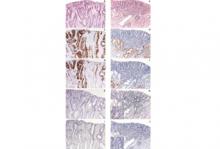
Aggressiveness of epithelial dysplasia of gastric type of stomach

Authors and Affiliations:
Pedro Valente1, Mónica Garrido1, Irene Gullo1,2, Helena Baldaia3, Margarida Marques3, Francisco Baldaque-Silva3,4, Joanne Lopes , Fátima Carneiro1,3,5
1 Faculty of Medicine of the University of Porto, Porto, Portugal
2 Faculty of Medicine and Surgery, Genova, Italy
3 Centro Hospitalar de São João, Porto, Portugal

Agressividade da displasia epitelial do estômago de tipo gástrico

Autores e afiliações:
Pedro Valente 1, Mónica Garrido 1, Irene Gullo 1,2, Helena Baldaia 3, Margarida Marques 3, Francisco Baldaque-Silva 3,4, Joanne Lopes , Fátima Carneiro 1,3,5
1 Faculty of Medicine of the University of Porto, Porto, Portugal
2 Faculty of Medicine and Surgery, Genova, Italy
3 Centro Hospitalar de São João, Porto, Portugal
4 Department of Gastroenterology and Hepatology, Karolinska University Hospital, Stockholm, Sweden

Advanced Breast Cancer Third International Consensus Conference (ABC3)

CCL - Centro de Congressos de Lisboa (Praça das Indústrias), Lisbon, Portugal


5-7 November, 2015

See more informations here: http://www.abc-lisbon.org/
 

Advanced Breast Cancer Third International Consensus Conference (ABC3)

CCL - Centro de Congressos de Lisboa (Praça das Indústrias), Lisbon, Portugal


5-7 November, 2015

See more informations here: http://www.abc-lisbon.org/
 

NAMPT and NAPRT1 mutations in normal tissues and tumor samples

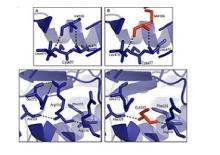
In this work, mutations in NAMPT and NAPRT1 genes were identified in normal tissues and tumor samples. Some mutations presented different frequencies, which can be explained by the population of origin of the samples. Evaluation of the structural and functional impact of these mutations indicates that they can be relevant in a disease context.


Mutações nos genes NAMPT e NAPRT1 em tecidos normais e tumores

Neste trabalho foram identificadas mutações nos genes NAMPT e NAPRT1, em tecidos normais e tumores. Algumas mutações apresentam frequências diferentes, o que pode ser explicado pela população de origem das amostras. A avaliação da patogenicidade destas mutações ao nível estrutural e funcional indica que podem ser relevantes no contexto da doença.


Cancer Exosomes Perform Cell-Independent MicroRNA Biogenesis and Promote Tumorigenesis

Authors and Affiliations:

Sonia A. Melo1, 2, Hikaru Sugimoto1, 2, Joyce T. O’Connell2, Noritoshi Kato2, Alberto Villanueva3, August Vidal4, Le Qiu5, Edward Vitkin5, Lev T. Perelman5, Carlos A. Melo6, 7, Anthony Lucci8, Cristina Ivan9, George A. Calin10, Raghu Kalluri1, 2,

Exossomas das Células Cancerígenas Produzem microRNAs

Os exossomas sao nano-vesículas produzidas por todas as células do corpo humano. Estas vesículas contêm material genético (RNA e DNA) e molecular (proteínas e lípidos) representativo das células que lhes deram origem, e podem fundir-se com outras células, vizinhas ou em outros órgãos mais distantes, tendo um papel importante na formacao de metastases no cancro. Os exossomas depois de produzidos podem ser libertados na circulação sanguínea, tendo a possibilidade de chegar a órgãos distantes alterando as células desses órgãos.

Acupuncture boosts immunity in cancer patients

Study conducted in two hospitals of Porto revealed that acupuncture has beneficial effects in cancer patients undergoing chemotherapy, including the improvement of the immune system, reduction of chemotherapy side effects, improving the psychoemotional state as well as improving the patients' quality of life.


Authors and Affiliations:

Acupunctura melhora imunidade em doentes oncológicos

Estudo realizado em dois hospitais do distrito do Porto revelou que a acupunctura possui efeitos benéficos em doentes

oncológicos submetidos a quimioterapia nomeadamente na melhoria do sistema imunitário, na redução dos efeitos secundários da quimioterapia, na melhoria do estado psicoemocional bem como na melhoria da qualidade de vida dos doentes.


Autores e Afiliações: