ASPIC

send to a friend share this

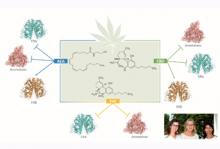
Unveiling the mechanism of action behind the anti-cancer properties of cannabinoids in ER+ breast cancer cells: Impact on aromatase and steroid receptors

Autores e Afiliações:

Cristina Amaral, Fabien Marc Trouille, Cristina Ferreira Almeida, Georgina Correia-da-Silva, Natércia Teixeira

UCIBIO.REQUIMTE, Laboratório de Bioquímica, Faculdade de Farmácia, Universidade do Porto


Abstract:

Healthcare use and costs in early breast cancer

Breast cancer is a heterogeneous disease, composed of different subtypes. However, there are no real-world data on the cost of treatment according to these different subtypes. This study aimed to estimate the direct medical costs of diagnosing and treating early breast cancer in the first 3 years after diagnosis according to subtype and stage.

We included 703 women with early breast cancer, newly diagnosed, admitted in 2012 to the Portuguese Institute of Oncology in Porto, who were prospectively followed in the NEON-BC cohort.

Utilização de cuidados de saúde e custos do cancro da mama precoce

O cancro da mama é uma doença heterogénea, composta por diferentes subtipos. No entanto, não existem dados do mundo real sobre o custo do tratamento de acordo com estes diferentes subtipos. Este estudo teve como objetivo estimar os custos médicos diretos do diagnóstico e tratamento do cancro da mama precoce nos primeiros 3 anos após o diagnóstico, de acordo com o subtipo e o estádio.

Foram incluídas 703 mulheres com cancro da mama precoce, recém-diagnosticado, admitidas em 2012 no Instituto Português de Oncologia do Porto, que foram acompanhadas prospetivamente na coorte NEON-BC.

European Cancer Research Summit 2021

The conference program is available 

European Cancer Research Summit 2021

The conference program is available 

Multilayer platform to model the bioactivity of hyaluronic acid in gastric cancer

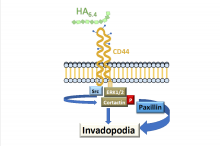
Hyaluronic acid (HA) is a biopolymer that accumulates in the tumour microenvironment, especially around cancer cells. The accumulation is concomitant with changes of HA properties resulting in the generation of chains with different sizes. In this study, we developed a multilayer platform composed by HA of different molecular weights aiming to evaluate, in real time, the influence of HA on the biological response of gastric cancer cells.

Plataforma multicamada modela a bioatividade do acido hialurónico no cancro gástrico

O ácido hialurónico (HA) é um biopolímero que se acumula no ambiente tumoral, em especial à volta das células cancerígenas. Esta acumulação ocorre devido a alterações na síntese e degradação do HA, resultando na formação de cadeias poliméricas de diferentes tamanhos. Neste estudo, desenvolvemos uma plataforma multicamada composta por HA de diferentes pesos moleculares de modo a avaliar, em tempo real, a influência do HA em células de cancro gástrico.

GMP-grade nanoparticle targeted to nucleolin downregulates tumor molecular signature, blocking growth and invasion, at low systemic exposure

GMP-grade nanoparticle targeted to nucleolin downregulates tumor molecular signature, blocking growth and invasion, at low systemic exposure

Aggressiveness of care at the end of life for cancer patients in Portugal

7 out of 10 cancer patients who die in a public hospital in mainland Portugal are exposed to overly aggressive treatments that could compromise the quality of life at its end. Clinicians should consider cancer type, disease stage, comorbidities, age, and the influence of hospital oncology culture, to help patients with cancer to avoid aggressiveness of cancer care at the end of life.


Authors and Affiliations: